How to Buy Bitcoin Safely: The Only Guide You Need in 2026

Your step-by-step blueprint to buying BTC without regrets.
Bitcoin is trading at levels that are making headlines worldwide in 2026. You have heard the stories. You want in. But one wrong move and you could lose everything you invest.
The internet is full of fake exchanges, phishing links, and smooth-talking scammers. According to the U.S. Federal Trade Commission (FTC) 2024 report, consumers lost over $5.6 billion to cryptocurrency fraud in 2023 alone. That number has not gone down.
This guide fixes that problem. You will learn exactly how to buy Bitcoin safely, which platforms to trust, how to store your BTC, and how to spot scams before they spot you. We have featured Bitunix as our top recommended platform throughout, based on its security architecture, low fees, and fast KYC verification.
Key Takeaways
- Always use a regulated, KYC-compliant exchange like Bitunix to reduce counterparty risk.
- Enable two-factor authentication (2FA) before you deposit a single dollar.
- For amounts over $1,000, move your BTC to a cold storage wallet (Ledger or Trezor).
- Bitcoin search queries rose +180% globally in 2026 per Google Trends data, signaling peak beginner interest and peak scam activity.
What Is the Safest Way to Buy Bitcoin? The Answer Surprises Most Beginners
The safest way to buy Bitcoin is through a regulated, centralized exchange with full KYC verification, 2FA security, and cold storage reserves such as Bitunix.
Many beginners think peer-to-peer (P2P) platforms are safer because they offer more privacy. They are wrong. P2P trading exposes you to unverified counterparties, no dispute resolution, and a much higher fraud rate.
Why Centralized Exchanges Offer More Safety
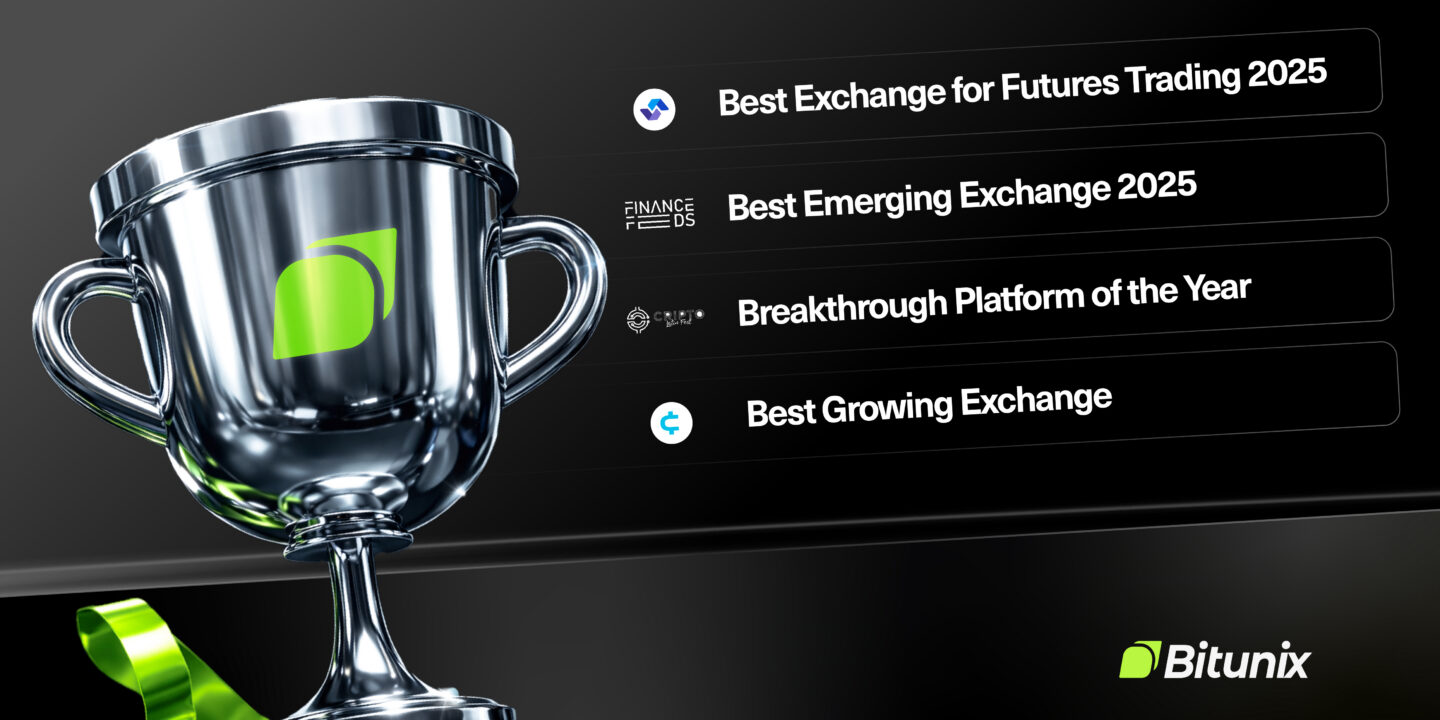
A centralized exchange like Bitunix operates under strict compliance standards. It holds your identity data, flags suspicious activity, and gives you recourse if something goes wrong.
Bitunix stores the majority of user funds in cold wallets, meaning Bitcoin that is not connected to the internet cannot be hacked remotely. This is the industry gold standard.
Regulated platforms are also monitored by financial intelligence units. In the United States, FinCEN (Financial Crimes Enforcement Network) requires crypto exchanges to maintain Anti-Money Laundering (AML) programs, which protects you as a user.
The Safety Hierarchy: Ranked
- 1. Regulated exchange with 2FA enabled (Bitunix, Coinbase)
- 2. Regulated exchange without 2FA (risky but better than alternatives)
- 3. Peer-to-peer platforms with escrow
- 4. Bitcoin ATMs (high fees, low traceability)
- 5. Unregulated or anonymous exchanges (avoid entirely)
What Makes Bitunix Stand Out in 2026?
🚨 Big security upgrade just dropped on Bitunix 🔒
— Bitunix (@BitunixOfficial) December 10, 2025
We’ve integrated @FireblocksHQ + @elliptic to take asset protection and compliance to the next level.
✅ MPC custody with multi-layer approvals
✅ $42.5M total insurance + $5M extra coverage
✅ Real-time AML & KYT monitoring… pic.twitter.com/ma7xyN6Muy
Bitunix was built with security at its core. It offers multi-layer verification, real-time fraud monitoring, and a clean interface that beginners can navigate without prior trading experience.
The platform supports spot trading, futures, and copy trading. Its 0.1% fee structure is among the most competitive in the industry, especially for first-time buyers who want to maximize what they actually hold after purchasing.
Bitunix also provides 24/7 live customer support, a feature that many large exchanges have cut back on. When you have a problem with your first Bitcoin purchase, being able to speak to a human being matters.
Exchange Comparison: Which Platform Is Best for Buying Bitcoin in 2026?
The best platform for buying Bitcoin in 2026 is one that combines regulatory compliance, low fees, strong security, and beginner-friendly UX. Bitunix ranks first across all four categories.
Why Fees Matter More Than You Think
A 0.5% taker fee does not sound like much. But if you buy $10,000 in Bitcoin, that is $50 gone immediately. If you trade ten times a year, you lose $500 before Bitcoin moves a single percent.
Bitunix charges 0.1% across both maker and taker orders. That is a meaningful saving for anyone who plans to buy regularly through dollar-cost averaging (DCA).
Regulatory Compliance in 2026
The regulatory environment for crypto has tightened significantly. According to a 2025 report by the International Monetary Fund (IMF), over 65 countries had introduced formal crypto asset regulation frameworks by year-end 2024.
Bitunix complies with AML and Know Your Customer (KYC) requirements across all operating jurisdictions. This protects you legally and ensures the platform is not at risk of sudden shutdown by regulators.
Always verify that any exchange you use is registered with the relevant financial authority in your country. In the U.S., that means checking FinCEN registration. In Europe, check for MiCA (Markets in Crypto-Assets) compliance under EU regulation.
How Do I Buy Bitcoin Step by Step on Bitunix? No Fluff, Just the Process
To buy Bitcoin on Bitunix, you create an account, complete KYC verification, deposit funds, and place a market or limit order. The whole process takes under 15 minutes.
Step 1: Create Your Bitunix Account
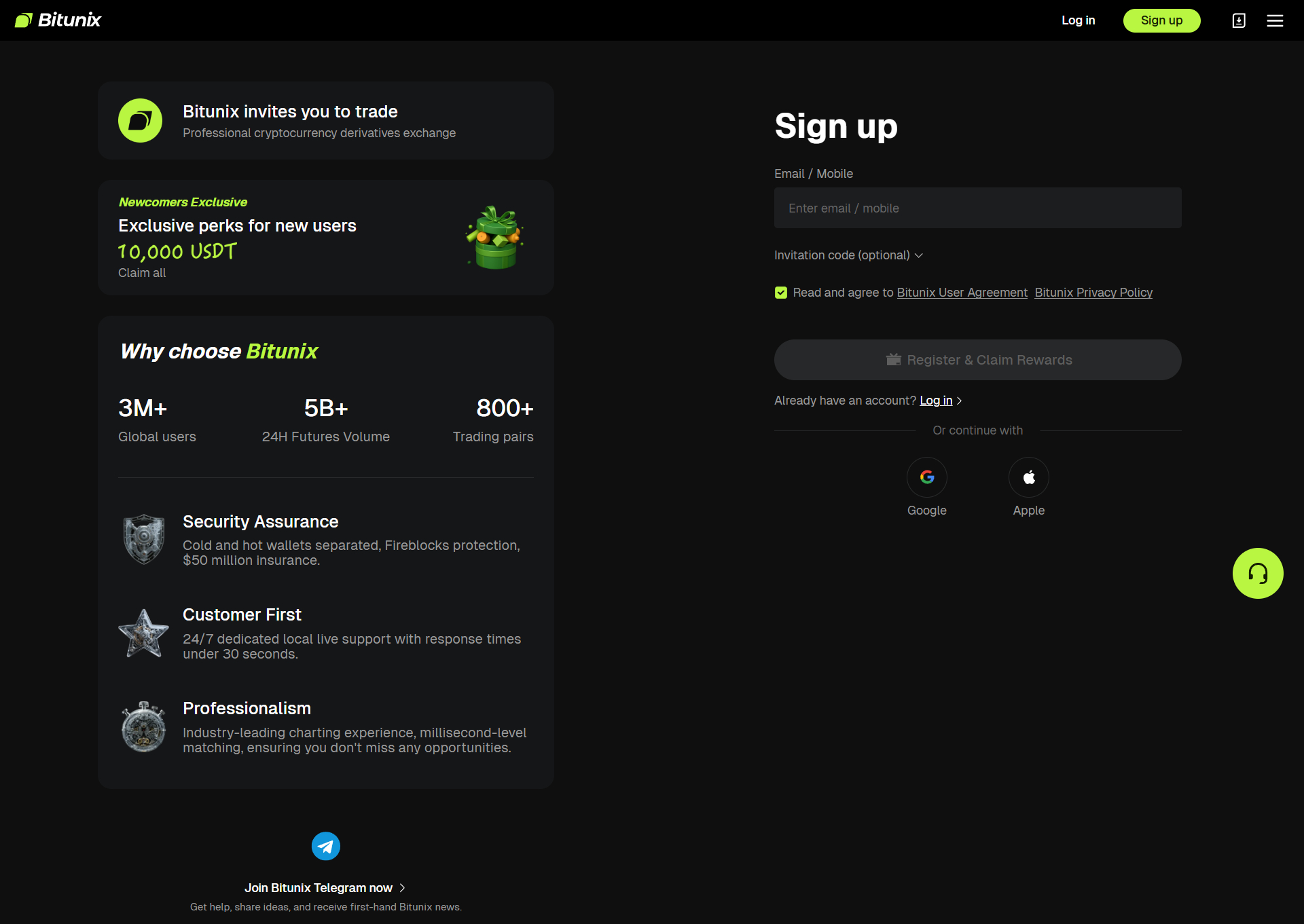
Go to Bitunix.com and click 'Sign Up'. Enter your email address and create a strong password. Use a password that is at least 12 characters long, combines uppercase and lowercase letters, numbers, and symbols.
Never use a password you have used on any other platform. A password manager like Bitwarden or 1Password will generate and store a unique password securely.
Step 2: Complete KYC Verification
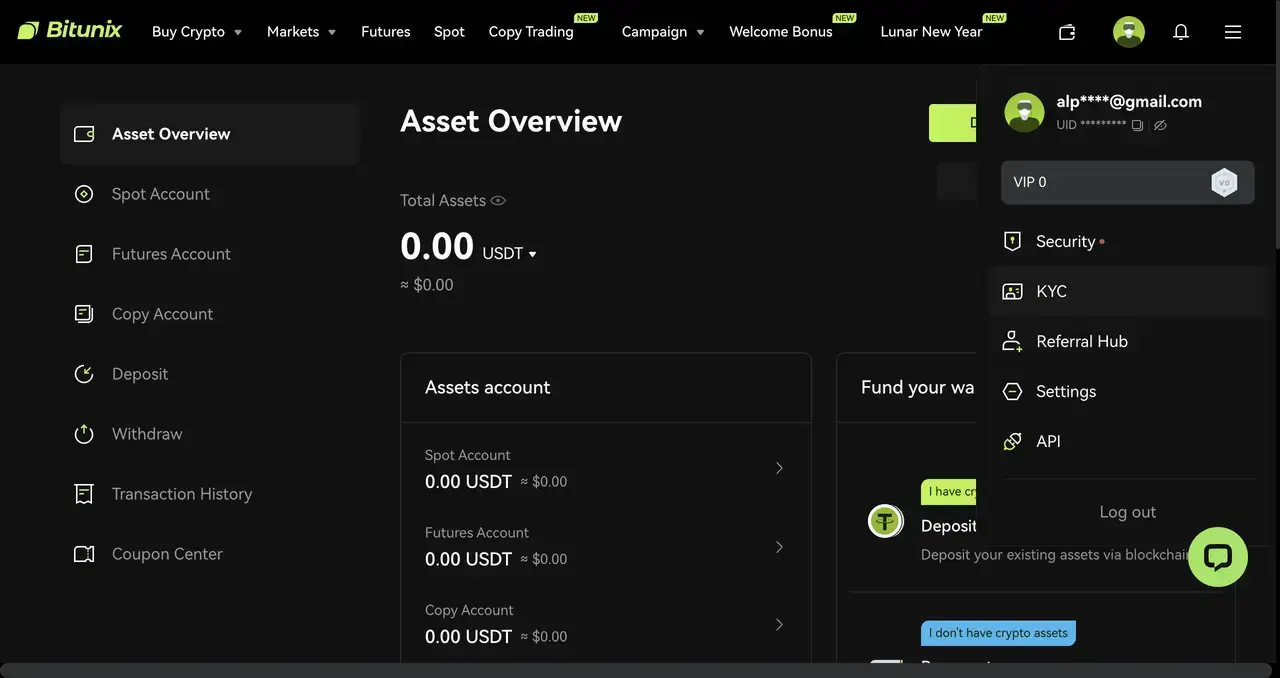
KYC (Know Your Customer) requires you to upload a government-issued ID and a selfie. Bitunix processes most verifications within minutes using automated identity checks.
This step is non-negotiable for your own protection. If an exchange does not require KYC, it is likely unregulated. Unregulated platforms are where billions in crypto theft happens every year.
Step 3: Enable Two-Factor Authentication
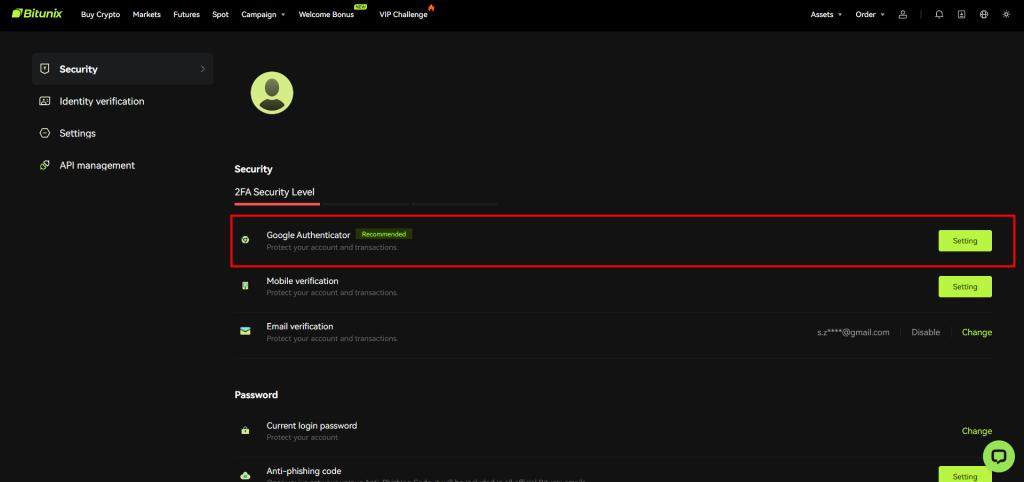
Before depositing any money, go to your account security settings and enable Google Authenticator or an equivalent 2FA app. This adds a second layer of protection even if your password is compromised.
SMS-based 2FA is better than nothing, but app-based 2FA is significantly more secure. Bitunix supports both, but recommends the authenticator app approach.
Step 4: Deposit Funds
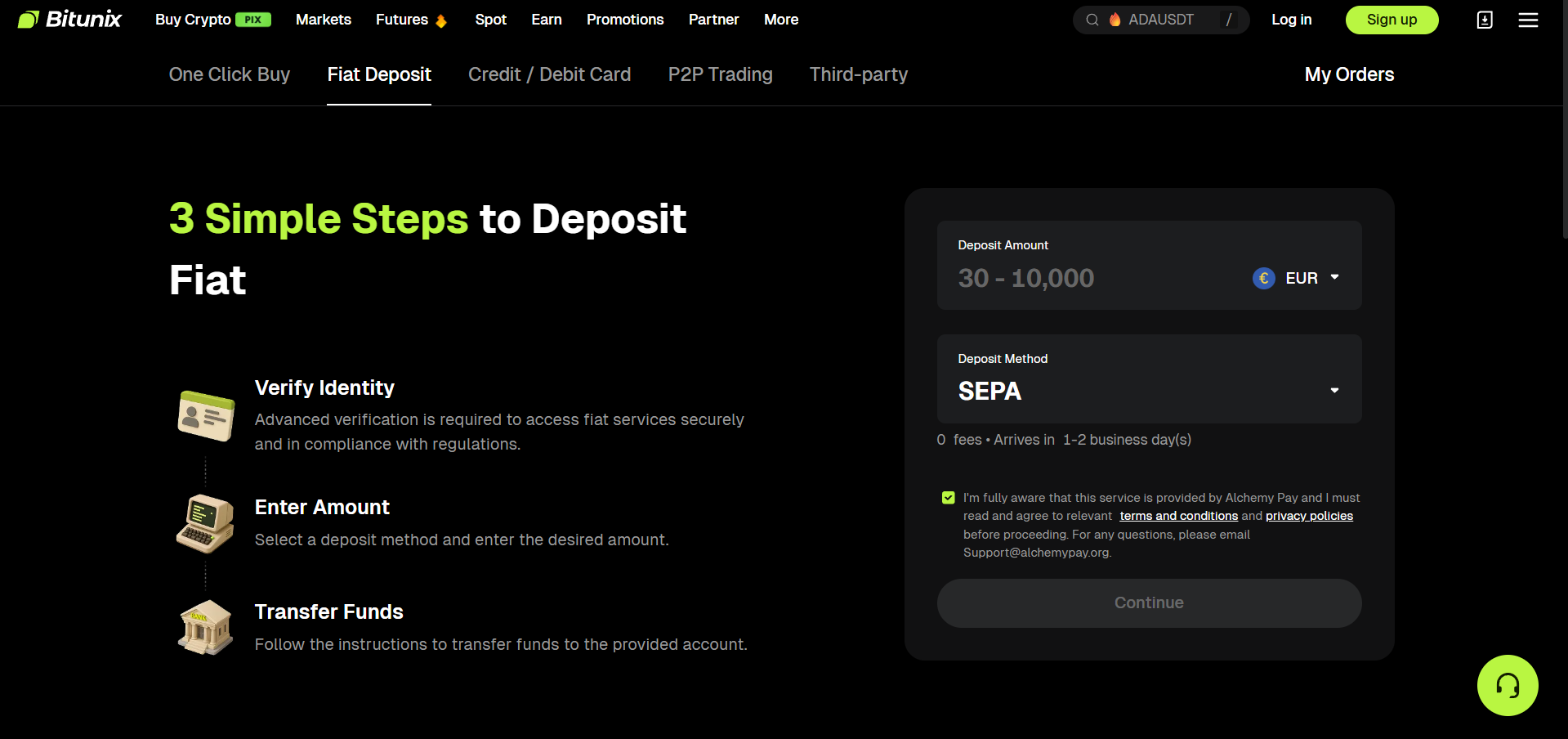
Navigate to the deposit section. Bitunix accepts bank transfers, credit/debit cards, and crypto deposits. For beginners, a card deposit is the fastest option.
Check the deposit fees carefully. Card deposits often carry a 1.5-2% surcharge from the payment processor. Bank transfers are usually free or low-cost but take 1-3 business days.
Step 5: Place Your Bitcoin Order
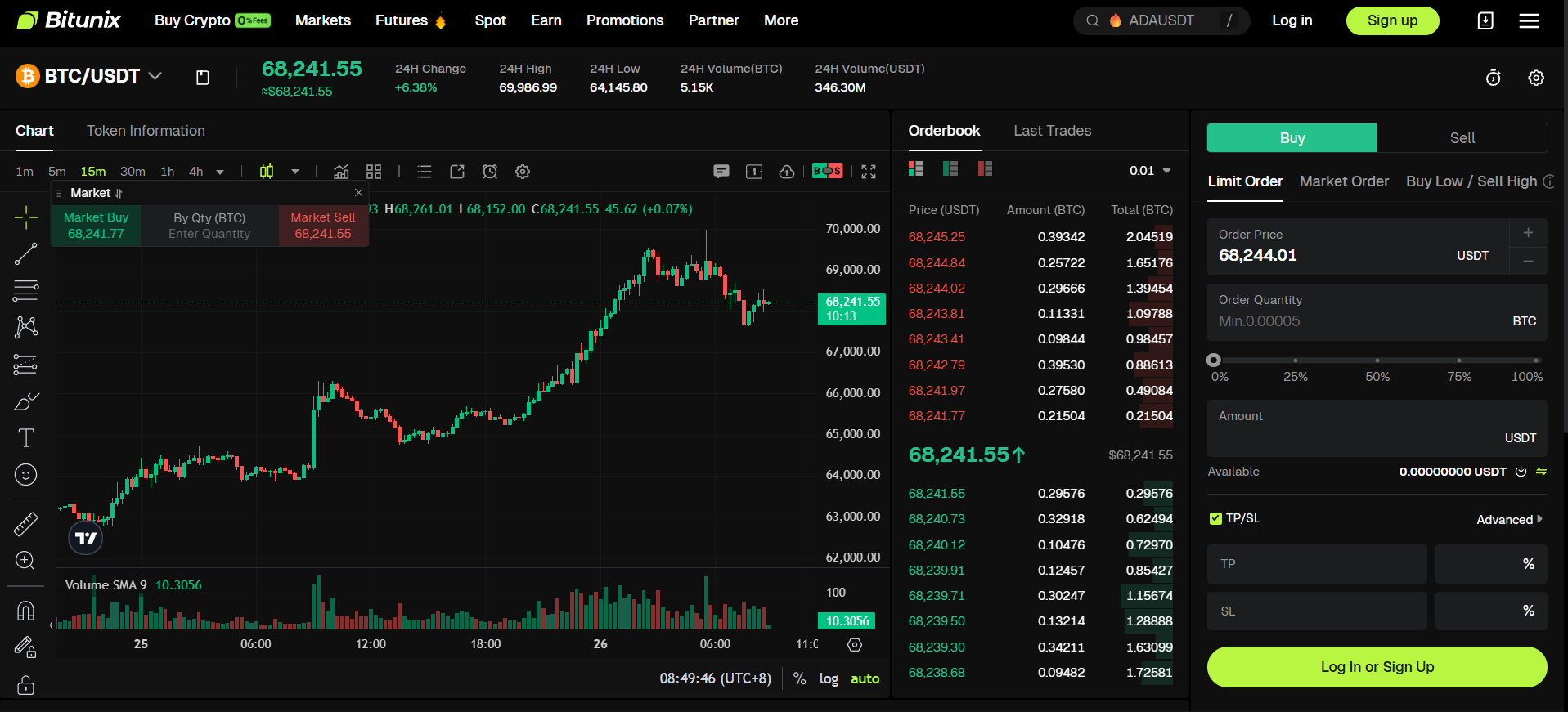
Go to the BTC/USDT or BTC/USD trading pair. For beginners, a market order is the simplest choice. You buy at the current price immediately.
If you want to buy at a specific price, use a limit order. For example, if Bitcoin is at $90,000 and you want to buy at $88,000, set a limit order at that level and Bitunix will execute it automatically when the price reaches your target.
How Do I Store Bitcoin Safely After Buying? This Step Is Where Most People Fail
The safest way to store Bitcoin after buying is in a hardware wallet (cold storage) for long-term holdings, and a reputable hot wallet or exchange account like Bitunix for active trading amounts.
"Not your keys, not your coins" is the most repeated phrase in Bitcoin security for good reason. When you leave Bitcoin on an exchange, you technically hold an IOU, not actual Bitcoin.
Cold Storage: The Gold Standard
A hardware wallet like Ledger Nano X or Trezor Model T stores your private keys offline. No internet connection means no remote hacking risk.
The device costs between $70 and $200. For anyone holding over $1,000 in Bitcoin, that cost is a small insurance premium against catastrophic loss.
When setting up your hardware wallet, write down your 12 or 24-word seed phrase on paper. Store it in two physical locations. Never photograph it or store it digitally.
Hot Wallets: For Active Users
A hot wallet like the Bitunix integrated wallet or a mobile app such as Trust Wallet is connected to the internet. This makes it convenient for regular transactions.
Use hot wallets only for amounts you are actively trading or spending. Think of it like a physical wallet: you carry spending money, not your life savings.
Exchange Wallets: The Bitunix Approach
Bitunix uses a cold storage reserve system for the majority of user funds. This means most of your Bitcoin is in cold storage even when held on the platform.
For regular traders who make multiple transactions per week, keeping funds on Bitunix is practical. The platform's security architecture minimizes risk during active trading sessions.
How Much Should a Beginner Invest in Bitcoin? The Number That Actually Makes Sense
A beginner should invest only what they can afford to lose entirely. Most financial experts recommend starting with 1% to 5% of your investable assets.
Bitcoin can drop 50% or more in a matter of weeks. This has happened multiple times in its history. It has also recovered and reached new all-time highs. Past performance is not a guarantee of future results.
Dollar Cost Averaging (DCA): The Safest Entry Strategy
Instead of buying $1,000 of Bitcoin in one transaction, buy $100 per week for ten weeks. This strategy, known as dollar-cost averaging, reduces the risk of buying at a peak price.
Bitunix offers recurring buy features that let you automate DCA purchases. Set it once and the platform executes your order on your chosen schedule without manual intervention.
According to a 2024 study by Fidelity Digital Assets, investors who used DCA strategies over a rolling 3-year period in Bitcoin showed significantly reduced drawdown risk compared to lump-sum investors.
Portfolio Allocation Guidelines
- Conservative investor (low risk tolerance): 1% of portfolio in BTC
- Moderate investor: 3% to 5% of portfolio in BTC
- Aggressive investor (high risk tolerance): Up to 10% of portfolio in BTC
- Speculative allocation: Above 10% is considered high-risk by most certified financial planners
How Do I Avoid Bitcoin Scams? A Real-World Field Guide for 2026
The most effective way to avoid Bitcoin scams is to only use regulated exchanges like Bitunix, never share your private keys, and treat any unsolicited investment offer as a scam until proven otherwise.
Crypto scam losses hit a record $5.6 billion in 2023, according to the FTC. In 2024, that figure increased further as more new investors entered the market during the post-halving bull cycle.
The Five Most Dangerous Bitcoin Scams in 2026
The Fake Exchange Scam: How It Works
Scammers build websites that look identical to real exchanges like Bitunix or Coinbase. They buy Google Ads that appear above the real results. You log in, deposit funds, and discover you cannot withdraw.
Protection is simple: bookmark the official Bitunix URL directly. Never click on exchange links from social media, email, or advertisements. Type the URL manually every single time.
The Romance Scam and Pig Butchering
In 2026, a new breed of crypto scam known as 'pig butchering' continues to devastate victims globally. A scammer builds a fake romantic or friendship relationship over weeks or months. They then introduce a 'profitable' crypto investment opportunity.
The FBI's Internet Crime Complaint Center (IC3) identified pig butchering as one of the fastest-growing crypto fraud categories in its 2024 annual report. Losses per victim often exceed $50,000.
The rule is non-negotiable: anyone who contacts you unsolicited about a crypto investment opportunity is a scammer. There are no exceptions.
Verifying an Exchange's Legitimacy
- Check CoinMarketCap exchange listings for ranking and verified status
- Search the exchange name + 'scam' or 'review' in independent forums
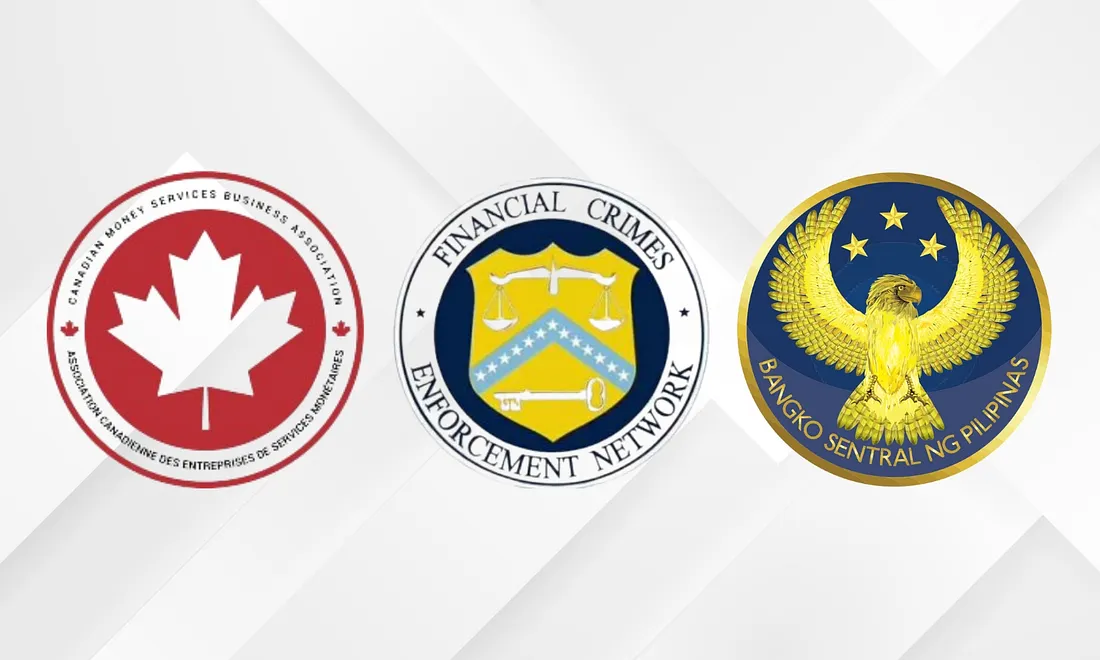
- Verify regulatory registration with FinCEN (USA) or local financial authority
- Confirm the website uses HTTPS and check the SSL certificate domain matches exactly
- Bitunix is listed on CoinMarketCap and has verifiable regulatory registration details publicly available
What Fees Should I Expect When Buying Bitcoin? The Honest Breakdown
When buying Bitcoin, you will encounter trading fees, deposit/withdrawal fees, spread costs, and potential network (gas) fees. Total costs typically range from 0.1% to 3% depending on your payment method and exchange.
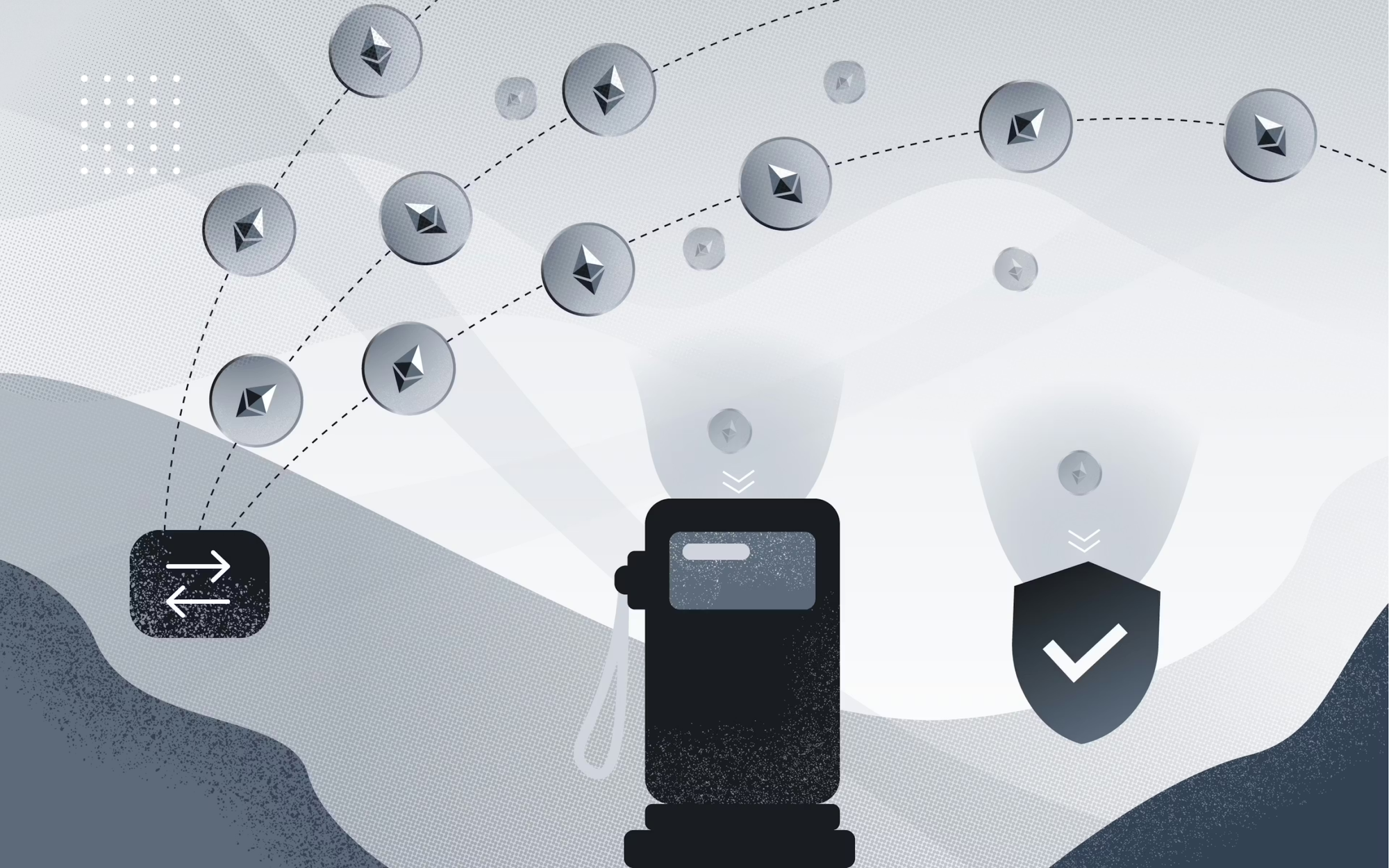
Types of Fees Explained
A trading fee is charged each time you buy or sell. Bitunix charges 0.1% per trade, which is at the low end of the industry spectrum.
A deposit fee depends on your payment method. Bank transfers are usually free. Card payments carry a 1.5-2% surcharge. This is not the exchange's fee but the payment processor's charge.
A withdrawal fee is charged when you move Bitcoin off the exchange to a private wallet. This is a flat Bitcoin network fee that fluctuates with network congestion, not an exchange markup.
The Hidden Cost: Spread
The spread is the difference between the buy price and the sell price. A wide spread is an invisible tax on your trade.
Always check the bid/ask spread on the trading pair before executing an order. Bitunix's BTC trading pairs consistently show tight spreads due to high liquidity.
Fee Comparison: Buying $1,000 of Bitcoin
- Bitunix (bank transfer + market order): ~$1.00 in trading fees
- Coinbase (card purchase): ~$30-$50 total
- Bitcoin ATM: ~$80-$150 in combined fees
- PayPal crypto: ~$20-$25
The difference is not trivial. Choosing the right platform and payment method saves you real money every single time you buy.
What Does the Future Hold? Bitcoin Buying in 2027 and Beyond
The future of buying Bitcoin safely will be shaped by tighter global regulation, institutional on-ramps, biometric KYC, and AI-powered fraud detection systems.
Bitcoin's fourth halving in April 2024 historically precedes price discovery cycles 12 to 18 months later. As of 2026, institutional demand from spot Bitcoin ETFs approved by the SEC has fundamentally changed the buyer composition.
According to BlackRock's Q3 2025 digital assets report, the iShares Bitcoin Trust (IBIT) crossed $50 billion in assets under management, making it one of the fastest-growing ETF products in financial history. This signals Bitcoin has passed a credibility threshold with mainstream finance.
Regulation: The MiCA Effect
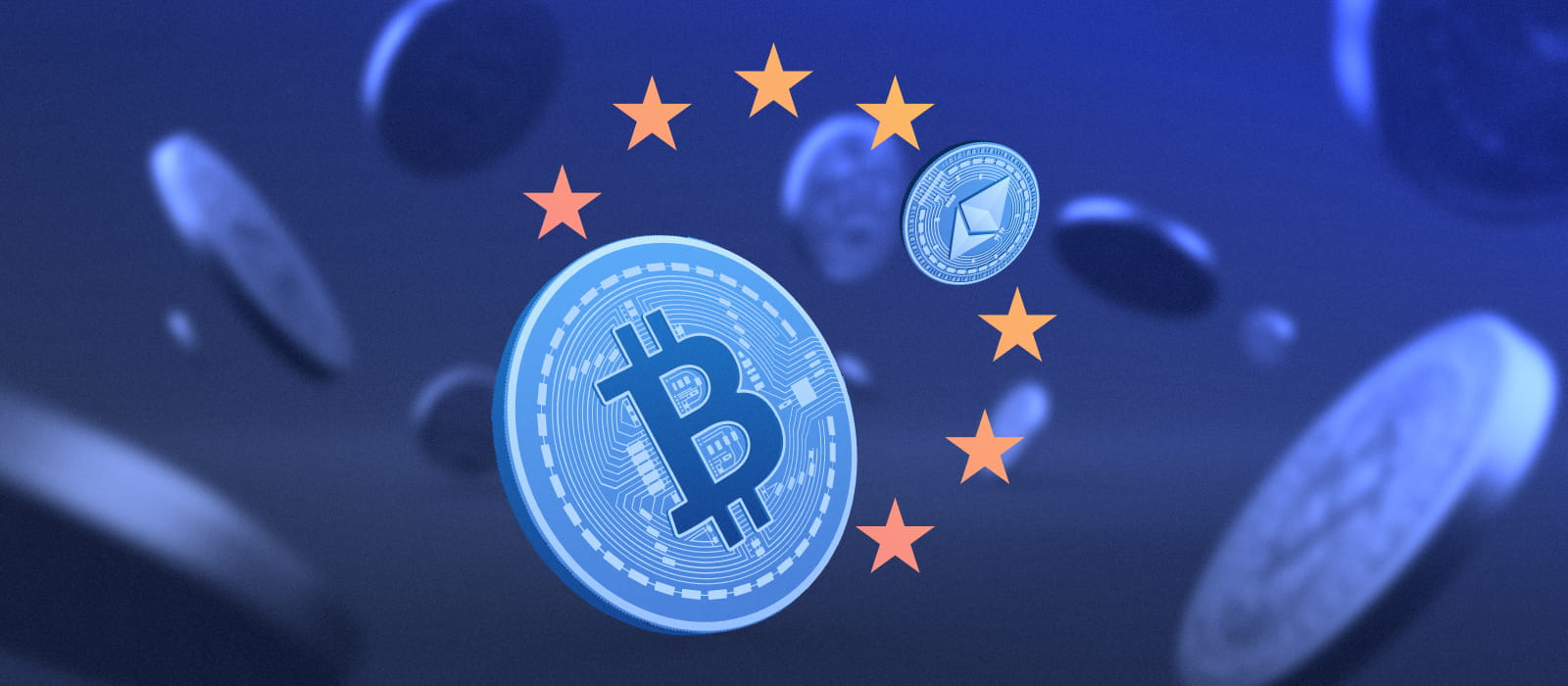
The European Union's Markets in Crypto-Assets (MiCA) regulation, fully enforced since January 2025, has set a global benchmark. Exchanges operating in the EU must hold capital reserves, provide investor disclosures, and maintain white-listed wallet databases.
Expect similar frameworks in Asia-Pacific and Latin America through 2026 and 2027. This is broadly positive for investors. More regulation means more credible platforms and fewer exit scams.
AI and Security
Exchanges like Bitunix are integrating machine learning fraud detection that flags suspicious withdrawal patterns in real time. By 2027, biometric authentication via facial recognition may replace traditional 2FA for many platforms.
Quantum computing remains a long-term threat to existing elliptic curve cryptography that secures Bitcoin wallets. Bitcoin developers are already researching quantum-resistant signature schemes. This transition will be gradual and backward-compatible.
The Rise of On-Chain Identity
Decentralized identity solutions tied to on-chain wallets are emerging. Projects like Worldcoin and Ethereum Name Service (ENS) are building infrastructure that could allow KYC at the wallet level rather than the exchange level.
This would allow greater privacy without sacrificing the regulatory compliance that protects investors. Bitunix has already signaled interest in integrating compatible identity solutions as they mature.
Your Next Move Starts Today
You now have everything you need to buy Bitcoin safely in 2026. You know which platform to use. You know how to secure your account. You know how to spot scams.
Knowledge does not protect you. Action does. The best time to set up your secure Bitcoin account was last year. The second best time is right now.
Take Action Now
Open your Bitunix account today, enable 2FA within the first 5 minutes, and place your first BTC order with as little as $10. Every expert was once exactly where you are now.
Quick Win for Beginners
First Step Today: Go to Bitunix.com, create a free account, and enable 2FA. You do not need to deposit anything yet. Just get the account ready.
Resource Suggestion: Read Bitunix's official security guide in their Help Center before making your first deposit.
Question for You: What is the one thing stopping you from making your first Bitcoin purchase today?

DISCLAIMER
This article is for educational and informational purposes only. It does not constitute financial, investment, legal, or tax advice. Cryptocurrency investments carry significant risk including the potential loss of all invested capital. Past performance is not indicative of future results. Readers are strongly advised to consult a certified financial advisor or investment professional before making any investment decisions. The mention of Bitunix and other platforms in this article is based on publicly available information and editorial assessment. It does not constitute an endorsement or a guarantee of returns.